

Citizen science typically refers to research collaborations between scientists and volunteers to expand opportunities for scientific data collection and provide community members access to science information (Cornell). Citizen science initiatives...
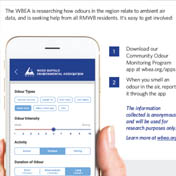
In 2016, LICA’s Portable Air Monitoring System (PAMS) was deployed in Bonnyville to address an issue that residents talk about – the “unpleasant smell from Jessie Lake”. PAMS data showed a number of exceedances of the Alberta Ambient Air Quality Objective...
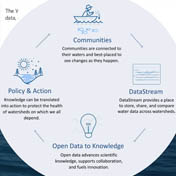
DataStream is designed to address this challenge by providing an open access, independent platform for sharing water quality data. DataStream is free to use and is designed to make it easy for monitoring groups to share, quality control...
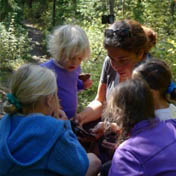
Grizzly bear research projects in the Canadian Rocky Mountains lend themselves to citizen science because the study area is large and home to a very low density bear population, and engaging the public in grizzly bear recovery...
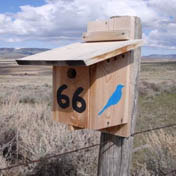
“Bluebird trails” are networks of bird nest boxes erected along fence lines to provide nesting habitat for native bluebirds and other cavity nesting species. The trails are maintained and monitored by volunteers who collect data on nest box use...
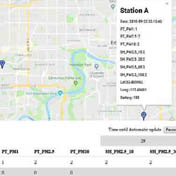
Citizen science (CS) and community based monitoring (CBM) approaches provide opportunities for citizens and communities to contribute in environmental monitoring. In Alberta, implementation of CS and CBM can provide...

In the Northern Sagebrush Steppe (NSS), pronghorn undertake daily and seasonal migratory movements to meet life requirements. Across this region, highways fragment the landscape and cause direct morality and/or disrupt ...
Call of the Wetland is a citizen science program developed to monitor amphibians as an important biodiversity indicator in the City of Calgary. Developed by the Miistakis Institute and partners, Call of the Wetland aims to better understand...
Participants contribute to the advancement of amphibian and reptile conservation through submission of voluntary data on their own time, without direct supervision from ACA. These initiatives are an effective and economical means to collect...
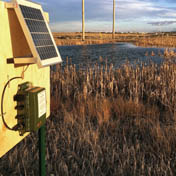
Call of the Wetland is a citizen science program developed to monitor amphibians as an important biodiversity indicator in a large urban municipality in Canada. In Calgary, 90% of pre-settlement wetlands have been lost...
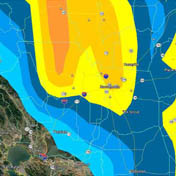
Environment and Climate Change Canada recognizes the value of small, inexpensive air quality sensors and their potential for improving community engagement around air quality issues. Western and northern Canada remains a challenge for air...
This presentation will provide a brief overview of the local airshed, what air quality monitoring is present today, how and why citizen science is being encouraged, and what some of the challenges are to incorporating...
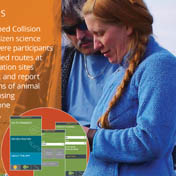
Highway 3 in Southern Alberta in a recognized fracture zone for wildlife in the Canadian Rocky Mountains. Miistakis Institute and partners recommended key areas where highway mitigation would help wildlife move safely...
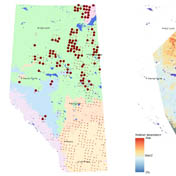
Citizen science can and have produced enormous amounts of data worldwide that are being used to address pressing conservation questions. The most common type of CS data is a documented detection of a species...
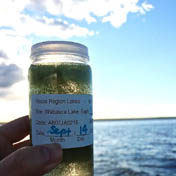
Water is of cultural and spiritual importance to Indigenous peoples and is seen as the interconnection among all living beings. Indigenous communities across Alberta have concerns and questions about water quality and...
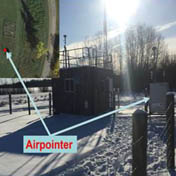
As Alberta residents pay more and more attention to the environment of the province, more citizens have an increasing interest in the citizen science of environmental monitoring. As a province with frequent forest fires...

